Venerdì, 27 Febbraio 2026

"La libertà innanzi tutto e sopra tutto"
Benedetto Croce «Il Giornale d'Italia» (10 agosto 1943)
Venerdì, 27 Febbraio 2026
"La libertà innanzi tutto e sopra tutto"
Benedetto Croce «Il Giornale d'Italia» (10 agosto 1943)
27 Febbraio 2026

Despite months having passed since the ceasefire took effect, living conditions in the Gaza Strip remain harsh. As residents enter the holy month of Ramadan, they do so under unprecedented economic strain. After two years of war, hunger, and deprivation, many had hoped that the reopening of crossings would bring tangible relief. Instead, high prices and widespread unemployment continue to impose a heavy burden on most families.
Estimates indicate that poverty rates are approaching 90%, while unemployment hovers around 80%. Nearly 95% of households now rely entirely on humanitarian aid after savings were depleted and large segments of the productive sector were destroyed. Meanwhile, annual per capita income has dropped sharply to about $161 in 2024, compared to $1,250 in 2022—highlighting the vast gap between purchasing power and the rising cost of living.

Economic researcher Ahmed Abu Qamar attributes the sharp rise in prices primarily to policies regulating the entry of goods and the severe restrictions imposed on commercial movement. He explains that coordination fees and other charges imposed on trucks entering Gaza ultimately fall on consumers, directly inflating prices.
According to his estimates, Gaza requires nearly 1,000 trucks per day to meet minimum demand. However, only 200 to 250 trucks are currently allowed to enter, despite humanitarian protocols stipulating a minimum of 600 trucks daily. This imbalance between supply and demand has placed continuous pressure on the market, fueling persistent price inflation.
He also points to distortions in the types of goods allowed in, noting that some products are imported in large quantities while essential goods and raw materials face tight restrictions. Limited competition—combined with the concentration of imports in the hands of a small number of traders—has further contributed to price instability.
During periods of intensified blockade and crossing closures, prices of certain food items surged by more than 700% at various stages. Although prices declined somewhat after the ceasefire came into effect, they remain more than 100% higher than pre-war levels.
The price of chicken has risen from 14 shekels per kilogram before the war to 25 shekels currently (a 92% increase).
Frozen fish increased from 8 to 23 shekels per kilogram (130%).
Frozen red meat now averages 40 shekels per kilogram, up from 23 shekels (around 100%).
Chicken breast, a staple on Ramadan tables, climbed 130% to 35 shekels per kilogram, compared to 14 shekels previously.
A tray of eggs now sells for 35 shekels, up from 13 shekels (a 170% increase).
*Vegetables and Suhoor Essentials*
Tomatoes doubled in price from 5 to 10 shekels per kilogram (100%).
Cucumbers jumped from 3 to 12 shekels (300%).
Potatoes rose from 3 to 5 shekels (66%).
Cheese prices increased between 56% and 110%, directly impacting the cost of suhoor meals.
According to 2021 data from the Palestinian Central Bureau of Statistics, the average household in Gaza consists of 5.6 members.
Based on current market prices, preparing an iftar meal for a family of six—including two chickens, one kilogram of rice, salad, side dishes, a soft drink, cooking gas, oil, and spices—now costs approximately 150 shekels (about $48). Before the war, the same meal cost around 79 shekels ($25.3), representing an increase of nearly 90%.
The picture is similar for suhoor. A typical meal for a family of six—including white and yellow cheese, hummus, falafel, mortadella, and bread—now costs around 31.5 shekels, compared to 18.6 shekels before the war (a 69% increase). Combined, the daily cost of iftar and suhoor has risen to approximately 182 shekels ($58.3), up from 97 shekels ($31)—an increase of nearly 88%.
These price hikes coincide with an unprecedented economic downturn. Gaza’s economy contracted by more than 83% in 2024, amid widespread destruction of factories, shortages of raw materials, and partial or irregular salary payments—sometimes issued in worn-out currency that is difficult to circulate.
Abu Qamar stresses that continued restrictions on goods entering Gaza, combined with limited competition and market concentration, will keep prices elevated and deepen the humanitarian crisis. He argues that meaningful relief requires lifting restrictions at crossings and ensuring the steady flow of sufficient and diverse goods to restore market balance.
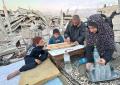
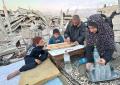
Against this backdrop, Ramadan in Gaza has become a severe test of families’ resilience. Soaring prices and collapsing incomes have turned daily meals into a struggle for survival, as households strive to secure even the most basic necessities.
By Salma Kaddoumi
Il Giornale d'Italia è anche su Whatsapp. Clicca qui per iscriversi al canale e rimanere sempre aggiornati.
Articoli Recenti
Testata giornalistica registrata - Direttore responsabile Luca Greco - Reg. Trib. di Milano n°40 del 14/05/2020 - © 2026 - Il Giornale d'Italia